Germany Dependent Visa for Sri Lankan Spouse 2026: Requirements & Timeline
Bringing your spouse to Germany? Complete Germany dependent visa for Sri Lankan spouse guide - A1 requirement,documents, costs, and 2026 timelines.
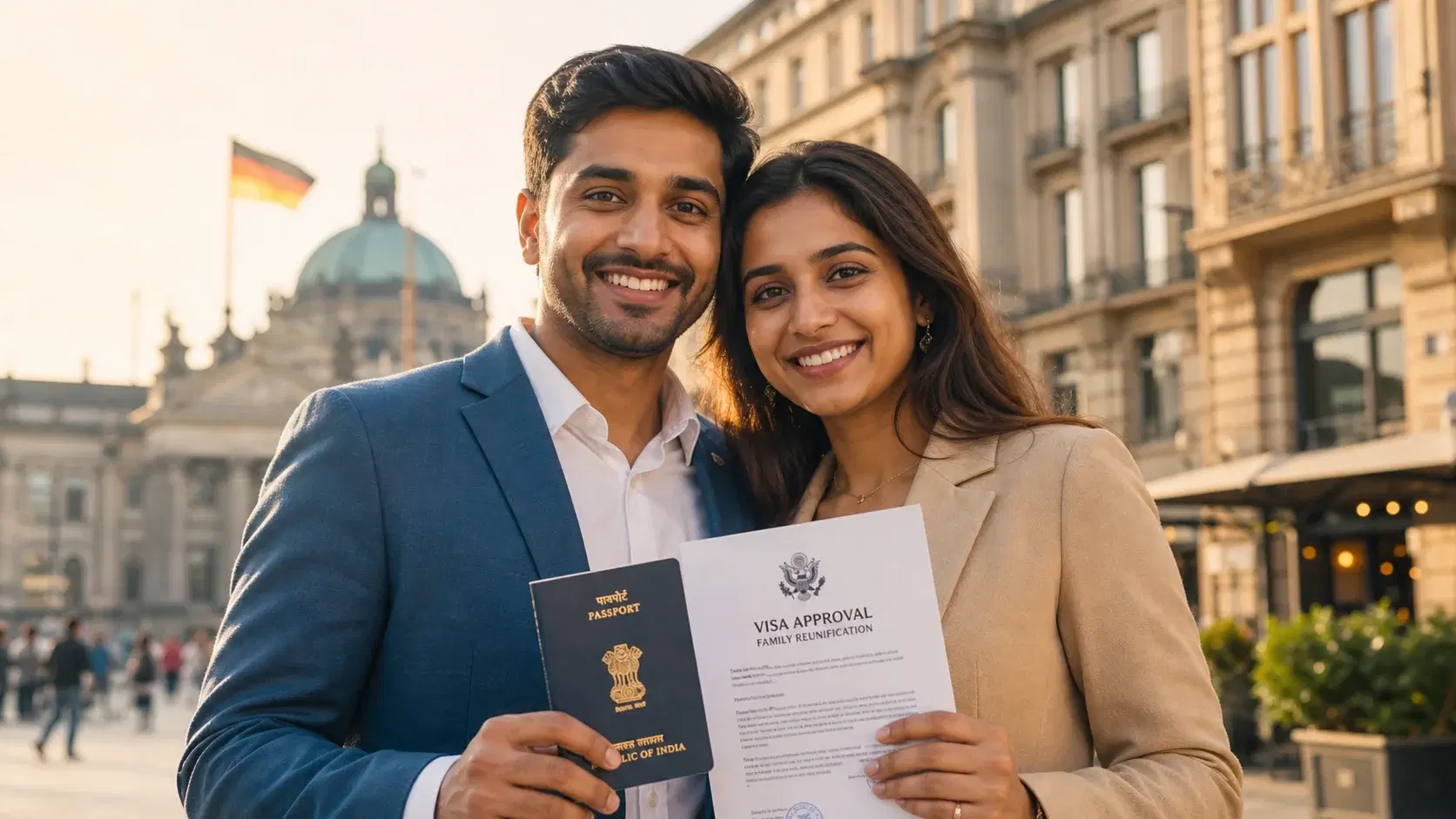
You've made it to Germany - Ausbildung contract signed, skilled worker visa stamped, or PhD scholarship secured. Now you want to bring your wife or husband to join you. The Germany dependent visa for Sri Lankan spouse is one of the most emotionally important applications your family will make - and one of the most procedurally specific. This is the complete 2026 guide: who qualifies, what documents you need, when the A1 German requirement applies, and how long it actually takes from the German Embassy in Colombo.
Who Qualifies for the Germany Dependent Visa?#
The German Federal Foreign Office and BAMF set the eligibility framework for family reunification. Both the sponsor already in Germany and the joining spouse must meet specific conditions.
The Sponsor in Germany Must Have
- A valid German residence permit - work visa, EU Blue Card, ICT Card, study permit (with sufficient remaining duration), settlement permit, or German citizenship
- A permit issued for at least one year with a reasonable likelihood of renewal
- Adequate living space - typically 12 m² per person, assessed by the local authority
- Sufficient income to support the spouse without recourse to social welfare benefits
- Valid health insurance that will also cover the joining spouse
The Sri Lankan Spouse Joining Must Have
- A valid passport with at least 12 months of remaining validity
- A legally recognised marriage certificate
- Both spouses must be 18 or older
- Proof of basic German language (A1) - with important exceptions covered below
- Health insurance valid in Germany from the date of arrival
The A1 German Requirement - and When It Does Not Apply#
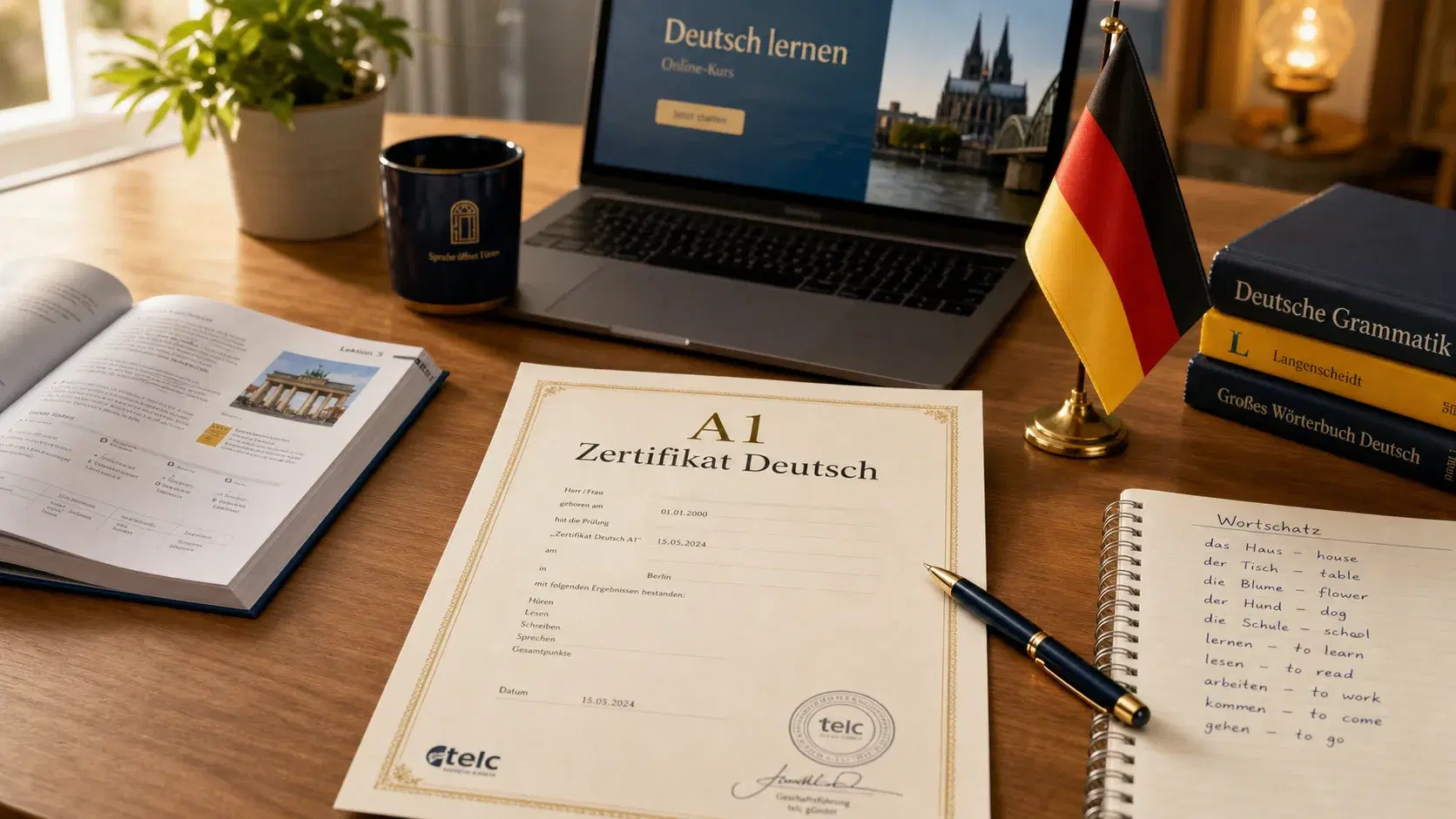
The A1 language requirement is the most misunderstood part of the Germany dependent visa for Sri Lankan spouse applications. The general rule is that the joining spouse must prove basic German proficiency before the visa is issued. Accepted certificates include the Goethe-Institut Start Deutsch 1, telc Deutsch A1, ÖSD Zertifikat A1, and TestDaF A1 level.
However, many Sri Lankan families pay for A1 courses and exams unnecessarily - because the sponsor's visa type actually exempts the spouse from this requirement.
When the A1 Requirement Is Waived
You do not need to prove A1 German if the sponsor in Germany holds any of the following:
- EU citizenship
- An EU Blue Card or ICT Card
- A skilled worker residence permit under § 18a or § 18b of the German Residence Act (vocational training or academic qualification route)
- A permit as a senior executive, scientist, guest researcher, engineer, technician, or teacher under § 19c
- Citizenship of a reciprocal-arrangement country (Australia, Canada, Japan, UK, USA, and others)
For most Sri Lankan families, the Blue Card and § 18a/§ 18b skilled worker exemptionsare the most relevant. Always confirm your specific situation in writing with the German Embassy Colombo before assuming an exemption applies. ## Document Checklist - German Embassy Colombo ### From the Sri Lankan Spouse (Applicant) - Completed national visa application form - Two recent biometric passport photos - Valid passport (minimum 12 months validity, two blank pages) - Marriage certificate - apostilled by the Sri Lankan Ministry of Foreign Affairs - Certified German translation of the marriage certificate if in Sinhala or Tamil (must be done by a court-certified translator) - Birth certificate - apostilled - A1 German certificate - or documentation supporting your exemption claim - Health insurance valid in Germany from the date of arrival - Two copies of all documents - Visa fee - currently €75 ### From the Sponsor (in Germany) - Copy of passport and German residence permit - Last three months of pay slips and employment contract - Rental agreement showing the German address and sufficient living space - Anmeldung (city registration) confirmation - Letter of invitation - Verpflichtungserklärung (declaration of commitment), if requested > All Sri Lankan documents must be apostilled by the Ministry of Foreign Affairs in Colombo before submission. Documents not in German or English must be officially translated. ## Processing Timeline from the German Embassy Colombo in 2026 The Germany dependent visa for Sri Lankan spouse is achievable - but it requires early, structured planning. Here are realistic 2026 timelines based on recent applicants: | Stage | Estimated Duration | | --- | --- | | A1 German certificate preparation (if required) | 3–5 months from zero | | Document collection and apostille | 4–8 weeks | | Embassy appointment booking wait | 6–14 weeks (slots fill within hours of release) | | Visa processing after interview | 6–12 weeks | | Total realistic timeline | 6–10 months | Theembassy appointment wait is the single biggest variable. Book your appointment the moment you have your A1 certificate in hand - or as soon as your exemption is confirmed. Slots are released in batches and fill within hours. ## Costs to Budget | Item | Estimated Cost (LKR) | | --- | --- | | A1 German course (if required) | Rs. 50,000 – Rs. 100,000 | | A1 exam fee | Rs. 15,000 – Rs. 25,000 | | Visa application fee | €75 (~Rs. 25,000) | | Apostille fees (per document) | Rs. 2,000 – Rs. 5,000 | | Certified German translation | Rs. 20,000 – Rs. 50,000 | | Health insurance (first month) | Rs. 30,000 – Rs. 80,000 | | One-way flight to Germany | Rs. 150,000 – Rs. 250,000 | | Total realistic budget | Rs. 350,000 – Rs. 600,000 | ## After Arrival in Germany - First 14 Days Once your spouse lands in Germany on the dependent visa, there is a clear sequence of steps to complete within the first two weeks: 1. Register the address at the local Bürgeramt ( Anmeldung) - legally required within 14 days 2. Open a German bank account 3. Convert the entry visa into a residence permit at the local Ausländerbehörde 4. Register with the local health insurance fund 5. Apply for a tax ID (Steuer-ID) - this arrives automatically by post after Anmeldung The residence permit for a joining spouse is typically issued for the same duration as the sponsor's permit and grantsfull work rights immediately - unlike dependent visas in many other countries. Your spouse can start working in any sector from day one.
Common Mistakes Sri Lankan Families Make#
- Not checking the A1 exemption first - many families pay for courses and exams unnecessarily because the sponsor holds a § 18a or § 18b skilled worker permit
- Marriage certificate translation errors - only a court-certified German translator is accepted; a general translator's stamp is rejected by the embassy
- Booking the embassy appointment too late - slots fill 3–4 months out; book the moment documents are ready
- Insufficient income proof from the sponsor - German authorities calculate minimum income requirements by family size; borderline payslips should be supplemented with savings statements
- Health insurance gap on arrival - your spouse must be insured from day one; even a one-day gap can complicate the residence permit application
Frequently Asked Questions#
Does my Sri Lankan spouse need A1 German for the dependent visa?
Generally yes - but there are major exceptions. If you (the sponsor) hold an EU Blue Card, ICT Card, or a skilled worker permit under § 18a or § 18b of the German Residence Act, your spouse is exempt from the A1 requirement. Always confirm this in writing with the German Embassy Colombo before paying for any A1 course.
How long does the Germany dependent visa take from Colombo in 2026?
The realistic total timeline is 6 to 10 months. This includes A1 preparation (if required), document collection and apostille, the embassy appointment wait, and visa processing after the interview. Starting early and booking the appointment slot as soon as possible is the most important thing you can do.
Can my Sri Lankan spouse work in Germany on a dependent visa?
Yes - immediately and in any sector. Germany's family reunification residence permit grants full, unrestricted work rights from day one. This is a significant advantage compared to dependent visas in the UK, Australia, or the US.
What if our marriage certificate is in Sinhala or Tamil?
It must be translated into German by a court-certified translator and then apostilled by the Sri Lankan Ministry of Foreign Affairs in Colombo. Allow 4–6 weeks for translation and apostille combined. A general translator's stamp will be rejected.
Can our children also be included in the dependent visa application?
Yes. Minor children can apply alongside the spouse as part of the same family reunification application. Each child needs a separate application form, biometric photos, apostilled birth certificate, and health insurance. Note that the minimum income threshold the sponsor must meet scales with family size - confirm the exact requirement with the German Embassy Colombo before submitting.
Glück Global supports Sri Lankan families through the full skilled migration and family reunification pathway - German language preparation, document apostille coordination, and visa application guidance. Speak to our team about your spouse's timeline →